

Have you seen the cypress tree standing tall in different places? From swampy wetlands to neat lawns, these trees are eye-catching. They also carry deep cultural, ecological, and symbolic meanings.
The cypress tree is seen as a symbol of strength, resilience, and eternal life. Its ability to grow well in tough places makes it interesting to learn about. In this article, we’ll look at what makes the cypress tree so special.
Key Takeaways
- Discover the symbolic meanings associated with the cypress tree.
- Explore the ecological significance of cypress trees in different ecosystems.
- Learn about the cultural importance of cypress trees in various societies.
- Understand the unique characteristics that make cypress trees resilient.
- Find out how cypress trees are used in landscaping and conservation efforts.
The Majestic Cypress Tree: An Overview
The cypress tree is a well-known and respected tree globally. It has a long history and unique traits. These traits make cypress trees a common sight in many places and cultures.
Botanical Classification and Characteristics
Cypress trees belong to the Cupressaceae family, known for evergreen conifers. The classification of cypress trees is complex. Cupressus is a common genus for these trees.
Distinctive Features and Growth Patterns
Cypress trees have a distinctive conical shape and dense foliage. They grow in a pyramidal or columnar shape. Some species grow faster than others.
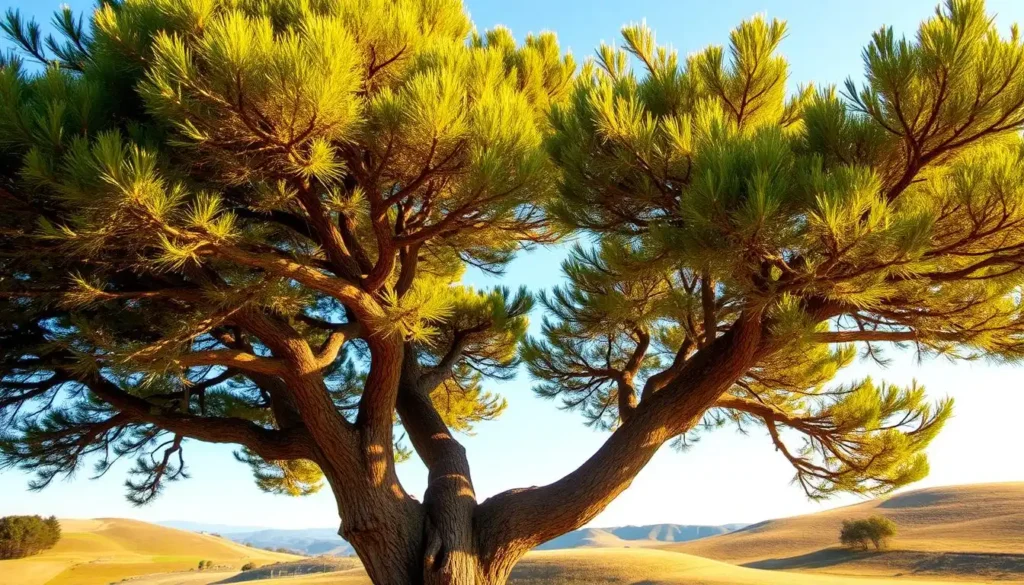
Cypress trees can live for hundreds or thousands of years. Their size varies, from small shrubs to tall trees over 100 feet high.
Geographic Distribution Around the World
Cypress trees are found in many places, from the Mediterranean to the southeastern United States. They grow in various environments, from wetlands to mountains. Their ability to adapt to different climates and soils helps them thrive worldwide.
Cypress trees are used in landscaping for many reasons. They can be ornamental, windbreaks, or natural barriers. Their versatility and strength make them a favorite for landscaping projects globally.
The Rich History of Cypress Trees Through Civilizations
The cypress tree has been a symbol of great importance across ancient civilizations. It played a key role in the cultural and religious practices of Mediterranean societies. Exploring its history, we see how it deeply influenced various cultures and traditions.
Ancient Mediterranean Civilizations and Cypress Trees
The cypress tree’s connection to ancient Mediterranean civilizations is well-known. It has been present in the region for centuries. Different cultures gave it symbolic meanings, making it a revered tree.
Egyptian and Greek Connections
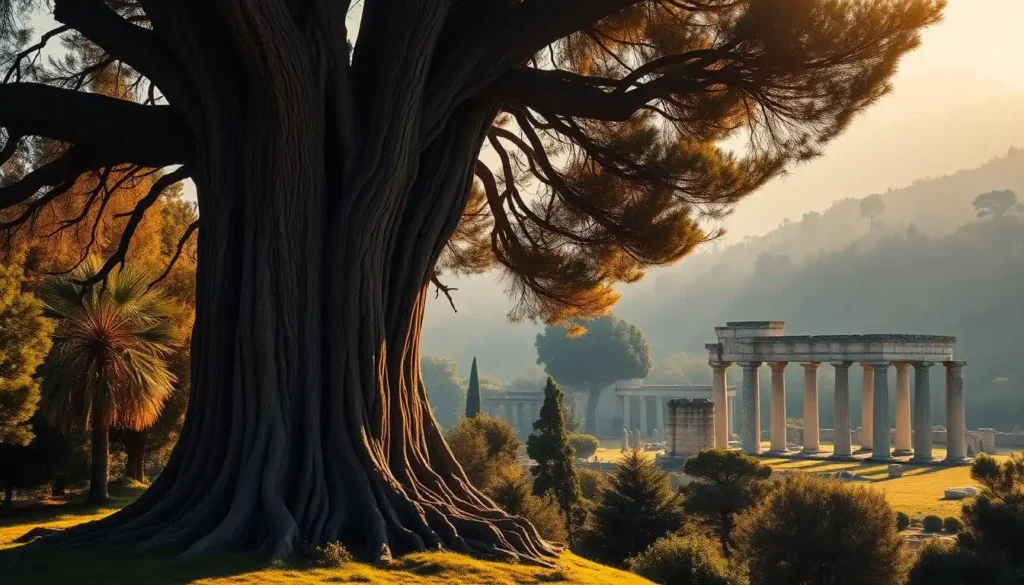
In ancient Egypt, the cypress was linked to the god Osiris, representing eternal life. The Greeks also cherished the cypress, planting it in sacred groves. They saw it as a symbol of mourning and eternity. The cypress was often used in funeral rites, showing respect for the dead and hope for eternal life.
Roman Uses and Symbolism
The Romans adopted many Greek traditions, including the cypress. They used its wood for shipbuilding and construction. They also used the cypress in funeral processions, linking it to mourning. The durability of cypress wood made it valuable to the Romans.
Cypress in Eastern Cultures and Traditions
In Eastern cultures, the cypress tree holds a special place. It is seen as a symbol of longevity, strength, and spiritual growth. In Chinese culture, the cypress is one of the “Three Friends of Winter,” representing constancy and endurance.
In Japan, the cypress is prized for its beauty and durability. It’s often used in traditional architecture and garden design. The tree’s significance also extends to religious rituals and ceremonies, symbolizing spiritual purity and enlightenment.
Symbolism of the Cypress Tree Across Cultures
The cypress tree stands tall, symbolizing many things like eternal life and strength. Its meanings vary across cultures, showing its deep impact on human societies.
Immortality and Eternal Life Symbolism
The cypress tree is seen as a symbol of eternal life. Its evergreen leaves and long lifespan make it a powerful symbol. It connects the living to the afterlife in many cultures.
Mourning and Cemetery Associations
Yet, the cypress tree also represents mourning and death. It’s often found in cemeteries, showing respect for the dead. This is especially true in Mediterranean cultures, where it’s a key part of funeral traditions.
Strength and Resilience Representations
The cypress tree is also a symbol of strength and resilience. It thrives in harsh conditions, showing its endurance. This makes it a powerful symbol of fortitude.
The cypress tree is a complex symbol, reflecting many cultural values. Its lasting presence and versatility have made it a significant part of human culture and tradition.
Major Cypress Tree Species and Their Unique Features
Cypress trees have been around for centuries. They add beauty and are very durable. They also come in many types, each with special traits.
Mediterranean Cypress (Cupressus sempervirens)
The Mediterranean Cypress is known for its tall, straight shape. It’s great for adding elegance to gardens. It grows well in dry, warm places.
Monterey Cypress (Cupressus macrocarpa)
The Monterey Cypress comes from California’s coast. It grows in an interesting shape, making it perfect for unique gardens. It’s also good for keeping winds away and preventing soil erosion.
Bald Cypress (Taxodium distichum)
The Bald Cypress loves wet places. It’s a conifer that can handle standing water. This makes it great for swamps.
Unique Knee Formations
The Bald Cypress has special “knees” that stick out of the ground. These might help the tree breathe or stay strong.
Swamp Adaptations
Bald Cypress trees have special roots for low oxygen. This lets them live in swamps where other trees can’t.
Leyland Cypress (× Cuprocyparis leylandii)
The Leyland Cypress grows fast and has thick leaves. It’s perfect for hiding views and blocking winds. It needs care to stay healthy and look good.
Cypress trees come in many types, each with its own charm. They’re great for gardens and wetlands. Whether you want a tall, formal tree or one that thrives in wet areas, there’s a cypress for you.
Growing and Caring for Your Cypress Tree
To make sure your cypress tree grows well, knowing its best growing conditions is key. Cypress trees are flexible but still need certain things to grow their best.
Ideal Growing Conditions and Climate Requirements
Cypress trees like full sun to partial shade and need well-drained soil. They can handle different soils but do best in slightly acidic to neutral pH.
Soil Preferences
Cypress trees can grow in many soils, from sandy to clayey. But, the soil must drain well to avoid root rot. Avoid planting in waterlogged areas.
Sunlight and Water Needs
Most cypress trees need full sun to partial shade. Their water needs depend on the species, but they like moist soil. Regular watering is essential during the first year after planting.
Planting and Establishment Tips
When planting a cypress tree, pick a spot with enough room for it to grow. Planting in cooler months helps reduce shock. Water well after planting and during the first year.
Maintenance, Pruning, and Common Issues
Regular care includes pruning to keep the tree healthy and looking good. Issues like pests and diseases can be managed with the right care.
Pest and Disease Management
Watch for pests like spider mites and scale. Regular checks can catch problems early. Fungal diseases can be stopped with good air flow and watering.
Seasonal Care Guidelines
Seasonal care includes mulching to keep moisture in and weeds out. In cold areas, protect young trees from frost.
| Season | Care Activity |
|---|---|
| Spring | Fertilize with a balanced fertilizer |
| Summer | Water regularly, especially during droughts |
| Fall | Prune dead or damaged branches |
| Winter | Protect young trees from frost |
The Cypress Tree in American Landscapes and Culture
The cypress tree is a key part of American culture. It’s found in many places, from the South’s wetlands to the North’s gardens. Its unique shape and lasting presence make it special.
Cypress Swamps of the American South
The South’s cypress swamps are iconic and vital. They’re home to bald cypress trees and many animals. The slow waters and tall trees make a peaceful, Southern setting.
Cypress in Native American Traditions
Cypress trees are sacred in Native American traditions. They use the wood for ceremonies and stories. The tree’s strength and durability made it perfect for canoes and tools.
Notable American Cypress Groves and Preserves
There are famous cypress groves and preserves in America. Caddo Lake in Texas and Big Cypress National Preserve in Florida are two highlights.
Caddo Lake, Texas
Caddo Lake is a unique place with ancient cypress trees. These trees, some over 700 years old, create a magical atmosphere. It draws visitors from everywhere.
Big Cypress National Preserve, Florida
Big Cypress National Preserve is vast and diverse. Its cypress forests are untouched, offering a glimpse of nature’s beauty. It’s a place to see the cypress tree in its purest form.
Landscaping Applications of Cypress Trees
Landscaping with cypress trees can turn your garden into a peaceful and stunning place. These trees are versatile and can improve both the look and function of your outdoor area.
Cypress Trees as Privacy Screens and Windbreaks
Cypress trees are great for privacy screens and windbreaks. Their dense leaves and tall shape block views and harsh winds. Planting them in a row makes a natural barrier, boosting your outdoor space’s privacy and comfort.
Benefits of Cypress Trees as Privacy Screens:
- Effective noise reduction
- Enhanced privacy
- Wind protection
Ornamental Uses in Garden Design
Cypress trees are also great for garden design. They can be specimen trees, hedges, or topiaries, adding beauty and texture. Their conical shape is perfect for formal gardens.
“The cypress tree is a symbol of eternal life and has been used in garden design for centuries.” – Garden Design Magazine
Container Growing and Bonsai Techniques
Cypress trees can grow in containers and be bonsai trees. This is great for small gardens or balconies. With the right care and pruning, they can become beautiful bonsai specimens.
| Cypress Tree Species | Container Suitability | Bonsai Potential |
|---|---|---|
| Mediterranean Cypress | High | Excellent |
| Monterey Cypress | Moderate | Good |
| Bald Cypress | High | Excellent |
The Economic and Practical Value of Cypress Wood
Cypress wood has been a favorite for many years. It’s used in building and making furniture because of its great qualities. Its ability to last long and resist decay is why it’s so valuable.
Durability and Resistance Properties
Cypress wood is known for being tough against rot, decay, and bugs. This is because of oils and resins that protect it naturally. The heartwood, in particular, is very good at fighting moisture, making it perfect for outdoor use.
Historical and Modern Construction Uses
In the past, cypress wood was a big deal in building, especially where it grew a lot. Today, it’s still used for decking, fencing, and siding because it lasts long and looks good. It’s also stable and doesn’t warp much, which is great for framing and other structural needs.
Furniture, Crafts, and Decorative Applications
Cypress wood is loved for making furniture, crafts, and decorative items. Its beautiful grain and colors like light yellow to reddish-brown make it a favorite for creating lasting and attractive pieces.
Musical Instrument Construction
Cypress wood is also great for making musical instruments, like guitars and flutes. Its sound quality and how long it can keep playing make it very valuable for this special use.
Aromatic Properties and Uses
Cypress wood is known for its smell, with oil from the wood used in perfumes and aromatherapy. Its scent is also thought to keep bugs away.
| Property | Description | Benefit |
|---|---|---|
| Durability | Resistant to rot and decay | Long-lasting |
| Aesthetic Appeal | Attractive grain pattern | Enhances appearance |
| Aromatic Properties | Fragrant oil | Used in aromatherapy |
A forestry expert says, “Cypress wood’s mix of durability, beauty, and smell makes it very useful and valuable.”
“Cypress wood is a treasure trove of natural benefits, from its durability to its aromatic properties, making it a sought-after material for various applications.”
Famous Cypress Trees and Groves Around the World
Across the globe, cypress trees and groves are celebrated for their history and beauty. These trees amaze visitors with their grandeur and hold deep cultural and symbolic meanings. Let’s look at some of the most famous cypress trees and groves worldwide.
Lone Cypress of Monterey, California
The Lone Cypress in Pebble Beach, California, is a favorite among photographers. This Monterey cypress has stood alone for years, overlooking the Pacific Ocean. It symbolizes strength and solitude, and has appeared in many artworks and media.
Cypress Alley in Bolgheri, Italy
In Bolgheri, Italy, Cypress Alley is a stunning path lined with tall cypress trees. It’s famous in literature and draws tourists. The trees’ tall, columnar shapes make the landscape dramatic and romantic, attracting visitors from everywhere.
Ancient Cypress of Abarkuh, Iran
The Ancient Cypress of Abarkuh, or Sarv-e Abarkuh, is very old, dating back 2,000 to 4,000 years. This tree is not just a natural wonder but also a cultural and historical treasure in Iran. It’s seen as a symbol of endurance and longevity, fascinating both historians and tourists.
| Location | Tree/Grove Name | Significance |
|---|---|---|
| Pebble Beach, California, USA | Lone Cypress | Symbol of resilience, frequently photographed |
| Bolgheri, Italy | Cypress Alley | Picturesque avenue, literary significance |
| Abarkuh, Iran | Ancient Cypress of Abarkuh | Ancient, cultural, and historical significance |
Conclusion: The Enduring Legacy of the Cypress Tree
The cypress tree is a symbol of strength and life. It has deep roots in many cultures and histories. Its presence has been a constant across civilizations, showing immortality, mourning, and resilience.
In ancient times, the cypress tree was loved for its beauty and meaning. It has been a part of Mediterranean and Eastern cultures. Different types, like the Mediterranean Cypress and Bald Cypress, have special qualities. These qualities are used in landscaping, building, and cultural practices.
The cypress tree’s lasting impact comes from its history and practical uses. Its strong wood has been used in buildings and furniture for ages. Its beauty also makes gardens and landscapes around the world more stunning.
Thinking about the cypress tree shows its wide influence. It’s not just a tree; it’s a symbol of our connection to nature and time. Its legacy reminds us of the need to protect our natural and cultural treasures for the future.
FAQ
What is the significance of the cypress tree in different cultures?
The cypress tree is seen as a symbol of strength, life, and immortality. It holds deep meaning in ancient Mediterranean and Eastern cultures.
How do I care for my cypress tree?
To care for your cypress tree, plant it in well-draining soil. Make sure it gets enough sunlight and water. Regular pruning and upkeep are key.
What are the different species of cypress trees?
There are many cypress tree species, like the Mediterranean Cypress and the Monterey Cypress. The Bald Cypress and Leyland Cypress are also notable. Each has its own look and traits.
Can cypress trees be used for landscaping purposes?
Yes, cypress trees are great for landscaping. They work well as privacy screens and windbreaks. They also add beauty to gardens. Plus, they can be grown in containers for bonsai.
What are the benefits of using cypress wood?
Cypress wood is durable and resists rot and insects. It also has a pleasant scent. This makes it perfect for building, making furniture, and crafting musical instruments.
Are there any famous cypress trees or groves around the world?
Yes, there are famous cypress trees and groves. The Lone Cypress in Monterey, California, is one. Cypress Alley in Italy and the Ancient Cypress of Abarkuh in Iran are also well-known.
How long do cypress trees typically live?
Cypress trees can live a long time. Their lifespan depends on the species. Some can live for hundreds or even thousands of years.
Can cypress trees be grown in different climates?
Cypress trees can grow in many climates. They like mild winters and warm summers. But, some species can handle extreme weather better than others.